Comprehensive Guide to Land Clearing Services: Preparing Your Property for Success

Land clearing is an essential step for anyone looking to develop land, whether for construction, agriculture, landscaping, or recreational use. Properly cleared land not only ensures safety and functionality but also lays the foundation for long-term success.

From preparing residential lots to agricultural plots, understanding the process and benefits of professional land clearing can save time, reduce costs, and prevent complications down the line. Visit Website to get started.

land clearing

Understanding Land Clearing Services

Land clearing services involve removing trees, shrubs, rocks, stumps, and other obstacles from a property. This process is critical for creating a level, usable area that is suitable for building, farming, or landscaping. Beyond aesthetics, land clearing addresses practical concerns such as soil stability, accessibility, and compliance with safety standards.

The process also enhances the land’s overall functionality. For construction projects, clearing ensures a stable foundation and reduces the risk of delays or structural issues. In agriculture, clearing vegetation improves soil health and allows crops to thrive with minimal interference.

Techniques Used in Land Clearing

The methods used in land clearing depend on the size of the property, terrain, and vegetation density. Heavy machinery like bulldozers, excavators, and skid steers is commonly used to remove trees, stumps, and brush efficiently, especially on larger plots. In areas with dense or invasive vegetation, environmentally safe chemicals may be applied to control growth. Smaller or hard-to-reach areas might require manual clearing, which involves specialized hand tools to carefully remove obstacles without damaging the surrounding land. In certain cases, controlled burning can be used to clear vegetation while promoting soil health, though this requires strict adherence to safety regulations.

Benefits of Hiring Professionals

Professional land clearing services offer significant advantages over DIY approaches. Safety is a major consideration, as clearing can involve hazardous terrain, heavy machinery, and unstable structures. Trained experts can manage these risks effectively.

Efficiency is another benefit. While attempting to clear land on your own may take weeks, professionals complete the work quickly, saving both time and labor costs. They also bring specialized equipment and expertise to handle all aspects of the project, from stump removal to grading, ensuring that the land is prepared properly for future use.

Environmentally responsible practices are an additional advantage. Professional services follow regulations to minimize soil erosion, preserve essential trees, and dispose of debris in a sustainable manner. This may include recycling cleared vegetation or using it as mulch to enhance soil quality.

Preparing for a Land Clearing Project

The first step in any land clearing project is a thorough assessment of the property. Professionals evaluate vegetation density, soil type, and the intended use of the land to determine the most effective clearing method. Vegetation is then removed using a combination of mechanical, chemical, or manual techniques, depending on the site’s requirements.

After clearing trees and brush, stumps and rocks are extracted to create a level surface. Grading follows, which ensures the land is even and suitable for construction or agricultural use. Finally, debris is removed or repurposed responsibly, completing the transformation of the property into a usable space.

Factors That Influence Costs

Several factors affect the cost of land clearing services. The size of the property, the type and density of vegetation, and the complexity of the terrain all play a role in determining pricing. Accessibility can also impact costs, as remote or hard-to-reach locations may require additional planning and equipment transport. Additionally, how debris is handled—whether it is removed, mulched, or recycled—can influence the overall cost. Understanding these factors helps property owners plan effectively and avoid unexpected expenses.

Applications of Cleared Land

Cleared land can serve a wide range of purposes. It can be prepared for residential construction, creating space for homes, driveways, and landscaping. Commercial developers benefit from cleared land for office buildings, retail spaces, and industrial projects. In agriculture, cleared land supports crops, orchards, and livestock by improving soil quality and accessibility. Recreational projects, including parks, trails, and sports fields, also require proper land preparation, as do infrastructure developments like roads, utilities, and drainage systems.

Environmental Considerations

While clearing land is often necessary for development, it is important to minimize environmental impact. Responsible land clearing avoids unnecessary tree removal, implements erosion control measures, and follows local regulations. Many professionals also recycle cleared vegetation and use sustainable disposal methods, helping preserve ecosystems while preparing the land for productive use.

Choosing the Right Land Clearing Service

Selecting the right service provider is crucial for a successful project. Look for companies with experience, proper credentials, and a proven track record of handling similar projects. Verify that they use modern equipment and environmentally responsible techniques. Asking for a detailed estimate ensures transparency and helps avoid surprises, while client reviews provide insight into reliability and service quality.

Land clearing is a fundamental step in transforming a property into a safe, functional, and productive space. Professional services offer expertise, efficiency, and environmental responsibility, turning overgrown or uneven land into a well-prepared site ready for construction, agriculture, or recreational use. Investing in professional land clearing not only saves time and costs but also sets the stage for long-term success, ensuring that your property is ready for any development or project you have in mind.

Visit our Professional Services Blogs

Chris Atkins Lawncare, Atticus Landscaping, Treasure Coast Pressure Wash, Gulf Beach Plumbing, Marlborough Plumbing, Guns And Hoses Pressure Washing, Ambrose Construction, Coral Gables Pressure Washing, Willco Photography, Roofing Akron, Danalogsdon Roofing El Cajon, EC Siding Roofing Windows, Aurora Gutter, American Insurance Source, ECO, etdn, Denison Service League,  Roofing Blog, Atlantic Vinyl Windows, Brookshires Fireplaces, JD Advanced Remodeling, Product Judgment, Master Dry Foundation Repair, Moe’s Hip, Elta Patio Paramount, Rock Around The Clock Festival, Learn, Play, Beyond, MoralesT Gardening, Car Window Tinting Perth, Duncan Carpentry, Gatestone Lighting, Mid Missouri Mold Inspections, Stucco Repair Albuquerque, Wausau Siding Hire, Munster Tree Care, Blue Granite Homes, Custom House, CENTRAL OS, Atlanta Pavers, Phillips Law Firm, Brent Ryder MasonryWalker Construction Drywall Division, RJ Law, Caledon Plumbing, DDS Tech USA, Maine Mortgage Services, Inckpen, Seasons at Rose Creek, Cottonwood Place Dental, Cosmetic Laser 2000


How Much Do Home Repair Services Cost?

Home Repair Services Mt Juliet

The cost of Home Repair Service is one thing that surprises many first-time homeowners. The reason is that wear-and-tear, especially in older homes, can significantly impact costs.

A common budgeting standard is to set aside 1% of your home’s value annually for maintenance and repair costs. Other approaches use a square-foot rule and still others look at specific project needs, like termite damage.

Plumbing

Plumbing problems are some of the most costly home repairs. Small leaks or clogs left unchecked can quickly lead to expensive water damage and even mold growth. However, routine inspections can catch issues early and prevent them from worsening.

The cost of plumbing services will vary depending on the scope of the work and your location. For example, a plumber will likely charge more to address an emergency repair like a burst pipe that occurs outside of business hours. Other factors that impact the price of plumbing services include the complexity of the job, the plumber’s experience, and whether the work requires a permit or special materials.

Plumbers typically charge an hourly rate for their services. This fee varies widely depending on the plumber’s experience, geographic area, and the complexity of the job. In some cases, a plumber may charge a flat service fee for certain types of jobs.

Some of the most expensive plumbing projects include replacing major fixtures and whole house repiping. The latter project is often necessary for older homes with outdated pipes, and can cost up to $20,000.

One of the most common ways to reduce the cost of plumbing services is to schedule maintenance before an emergency occurs. Having a trusted plumber perform an annual inspection and fixing minor issues can help save money on water bills, prevent emergencies, and protect the value of your home.

There are a few different budgeting standards that suggest how much homeowners should set aside annually for home maintenance costs. One popular rule is to set aside 1% of your home’s value. Another guideline is to set aside $1 for every square foot of your home’s livable space.

HVAC

If your technician recommends replacing your HVAC system, it’s important to understand the full cost before making a decision. The cost of a new HVAC system varies significantly by equipment type, efficiency ratings, installation complexity, and your specific location. A comprehensive budget includes all the related costs, including permits, code inspections, and old equipment disposal. A Bryant Factory Authorized Dealer can help you evaluate these variables objectively, ensuring an accurate quote and a high-performance installation.

Repairing or replacing a home’s HVAC system can feel like a significant investment, but it’s an essential part of maintaining a comfortable and safe living environment. It’s also a smart financial decision, with replacement generally providing better value over time than ongoing repairs. A popular rule of thumb is the “5,000 rule,” which calculates replacement cost by multiplying your current repair estimate by your system’s age in years. If this number exceeds $5,000, a replacement makes more financial sense.

Fortunately, several proven strategies can reduce HVAC replacement costs without sacrificing quality or performance. For example, off-season installations typically cost 10-20% less than peak summer replacements due to reduced demand and contractor availability. Additionally, many energy companies offer rebates to help offset some of the initial investment for qualifying equipment and zoning systems.

Preventive maintenance and regular service can significantly lower the risk of unexpected home repair expenses. But even the best-prepared homeowners must face some high-cost repairs at some point, highlighting the importance of having a solid emergency fund. Some budgeting rules of thumb include setting aside 1% of your home’s value annually, $1 per square foot of living space, or 10% of your main monthly expenses. These guidelines provide a framework for planning and saving, helping you make the right decisions for your unique situation.

Mold Removal

Mold is a serious threat to the health of homeowners and families. Left untreated, it can cause respiratory issues and damage to drywall, insulation, carpeting, and wood. Mold remediation helps ensure a healthy home and protects your property value.

However, mold remediation costs can vary widely. The location and type of mold have the greatest impact on cost. Mold growth in hard-to-reach areas, such as drywall or your HVAC system, requires more time and materials to remove, driving up the cost. Mold infestations that contain toxic strains, such as Stachybotrys, require specialized safety gear and extra time to clean.

Remediation services typically include assessment, containment, cleaning, and follow-up testing. These services help protect your family’s health and reduce the risk of future outbreaks. If the problem is severe, additional contractors may be needed to restore and repair damaged areas of your home.

The cost of a home repair service depends on the size of the problem and whether it’s urgent. For example, a foundation crawl space repair can range from $500-$2,000 depending on the severity of the issue and how accessible the area is.

Keeping up with home repairs and maintenance keeps your house safe, livable, and increases its value over time. But with many of these services ranging from a few hundred to tens of thousands of dollars, it’s important to plan ahead and know what to expect when requesting a repair estimate. The average household spent $2,458 for maintenance and $1,667 on emergency home repairs in 2023, up 6% from 2022. This increased spending is due to higher labor rates and higher demand for home improvement, maintenance, and emergency repair work. This trend is expected to continue.

Termite Removal

If you have termite infestation, acting fast can save thousands of dollars in repairs. Termites feed on wood 24/7 and cause more damage each year than fires or floods. The cost of treatment depends on a number of factors. A professional inspection is a key factor in understanding how extensive the problem is and what type of treatment is needed.

Infestations that are moderate usually have noticeable signs, including hollow-sounding wood, mud tubes and swarmers. These types of homes may require a chemical barrier or baiting system that can cost up to $3,000. In severe cases, the homeowner will notice damage such as sagging floors and buckling walls. In these instances, a fumigation or heat treatment becomes necessary, which can cost $4,000 on average.

Local factors can also affect the cost of a termite treatment. Homeowners in areas with a high risk of flooding or near bodies of water are at a greater risk of developing a severe termite infestation. The same is true for older houses with wood-frame foundations or brownstones. Other factors include the location of the home, accessibility challenges and humidity levels.

When evaluating service providers, ask for references and copies of pest control licenses as well as the labels of any chemicals they plan to use. If you are not comfortable with the chemicals they plan to use, consider hiring a different company. You should also check the company’s service guarantee and warranty. This can help you determine if you are getting quality work for your money. The guarantee should cover any future damage that occurs in the aftermath of a treatment. Also, make sure the service provider fixes moisture issues that attract termites and prevent future infestations.

Foundation Repair

Foundation repair is one of the priciest home repairs. And like other major home repairs, it can easily bust your budget.

Various budgeting guidelines exist for estimating maintenance and emergency home repair costs. One popular rule is to set aside 1% of your home’s value per year.

The exact cost depends on the type of repair you need, as well as your home’s size and construction materials. The damage’s severity can also impact the cost. For example, a minor crack in the foundation will require a lower-cost repair than a bowing wall that requires extensive structural reinforcement.

Repair methods vary by the type of foundation, with basements costing more than concrete slabs or cinder blocks. They also differ by region. And the location and accessibility of the damaged area can affect labor costs.

A professional can provide a detailed estimate for the work needed. And you can shop for the best price by comparing quotes from several contractors. Make sure the contractor you choose has experience in your type of foundation. Ask for references and a written contract.

Smart planning and early action can help keep foundation repair costs down. Schedule an inspection for a problem as soon as you notice movement or signs of damage, and make it a priority to get the work done. Preventive steps like landscaping with plants that hold moisture, extending gutters and downspouts to drain away from the house, and having soil sloped away can help reduce future issues. And to save on costly repairs, make sure to prioritize the most critical areas of your foundation and ask contractors for a payment plan. And don’t forget to compare credit card rates to find the best option for financing your project.

Beef Tallow For Skin – Natural Skincare Benefits You Need to Know

Skincare

Whether you’re following TikTok trends or ancient traditions, beef tallow for skin is making a comeback in clean beauty. This time-tested, nutrient-dense moisturizer has the power to nourish and protect as few other ingredients can.

Its composition mirrors the natural oils produced by the skin, making it ideal for repairing and improving skin barrier health. Plus, it contains a wealth of fat-soluble vitamins and antioxidants. Visit https://hillviewtallow.com/ for more details.

1. Rich in Fatty Acids

In a skincare world that has grown obsessed with synthetic ingredients, it is refreshing to find products that are free of toxins. And while many clean beauty brands have jumped on the plant-based bandwagon, the ancient ingredient of beef tallow is making a comeback. The nutrient-dense moisturizer is a favorite of those who want to support ancestral lifestyles, return to natural remedies, and avoid harsh chemicals.

But what makes tallow so special? The rich, saturated fat closely mirrors human sebum and deeply hydrates skin. Its lipid profile also supports the healthy skin barrier, which helps maintain a strong, blemish-free complexion. It’s full of antioxidants and fat-soluble vitamins that help keep skin smooth and supple.

It is also known to reduce inflammation and promote cell regeneration. This may explain why it has been used by those suffering from acne, eczema, psoriasis, and other skin conditions. While it’s still not recommended to replace prescribed treatments, the ingredient can be a great addition to a skin care routine.

While the benefits of tallow are impressive, it hasn’t been widely studied in clinical trials. Some dermatologists have concerns about its greasy texture, potential for clogged pores in acne-prone skin, and inconsistent quality across DIY and boutique product lines.

Tallow is derived from cows’ fatty tissue. It is rendered over a low temperature and then mixed with other natural ingredients to create products such as creams, balms, soaps, and more. It is often used in combination with oils such as coconut oil and shea butter for maximum benefit to the skin.

Using a warm, soft cloth, massage the product onto clean, slightly damp skin until fully absorbed. Bowles recommends starting with one application per week to get a feel for how your skin responds and increasing it from there.

Using a tallow-based body oil or lotion is an effective way to hydrate dry skin and protect against the sun. It can be rubbed on the hands or feet, and it’s particularly helpful in areas with drier patches of skin, such as elbows or knees.

2. Soothes Irritated Skin

As a natural skin care ingredient, tallow is soothing and helps repair the outer layer of the skin. This layer acts as a barrier against harmful substances, including harsh soaps, the environment, and skin conditions like psoriasis. When the barrier is damaged, redness and irritation occur. Tallow, with its skin-like fatty acids, strengthens this wall and prevents moisture loss, which is a major cause of redness. It also soothes and moisturizes, reducing the dryness that can lead to a rash.

As an all-natural remedy, tallow has gained popularity on TikTok and Instagram among influencers and holistic skin care enthusiasts. Many of these users claim to use whipped tallow balms for skin to treat everything from acne to eczema. Despite this social media trend, dermatologists remain skeptical of beef tallow for skin. They point to the lack of clinical trials, potential for clogged pores, and variable product quality across DIY and boutique brands.

According to the 2024 study, tallow is believed to be anti-microbial and has skin-protecting properties, making it ideal for people with irritated or sensitive skin. It also has a similar texture to the skin’s natural oils, which makes it highly nourishing and moisturizing. As a result, it can be used to treat rashes, eczema, or any other skin condition that may be irritating.

If you’re interested in incorporating tallow into your skincare routine, be sure to choose one made from 100 percent grass-fed beef and purified for cosmetic use. Avoid tallow that is used for cooking, as it may contain residues like hormones, antibiotics, or bacteria. It’s best to apply tallow to damp skin after using a hydrating serum or lightweight moisturizer, as this will help lock in more moisture. A pea-sized amount of tallow should be enough to moisturize the entire face.

While tallow is an excellent hydration tool, it can be too heavy for some people with oily or acne-prone skin. Additionally, it can clog pores if not washed off properly. If you’re not comfortable with a heavier oil on your face, try combining it with other ingredients to create a more balanced formula. For example, you could try using a combination of tallow with shea butter or jojoba oil to provide the benefits of both without being too heavy.

3. Helps Keep Skin Hydrated

Beef tallow has recently become popular as a clean beauty trend thanks to its anti-inflammatory properties, rich nutrient profile, and historical use in skincare. It is free of chemicals, and its thick consistency makes it a natural moisturizer that helps keep skin hydrated. Tallow also has high doses of fat-soluble vitamins A, D, and K, which help maintain healthy skin and promote elasticity.

Tallow is also a great substitute for petroleum-based products, which can leave skin feeling greasy and sticky. It is also naturally antibacterial and fungicidal, making it an effective ingredient for a healthy skincare routine. In fact, many users have reported that tallow has helped relieve their eczema and psoriasis symptoms.

However, it’s important to choose a high-quality product that is made specifically for cosmetic use. Tallow is rendered from the fat of cows, and it’s important to avoid using tallow that has been used for cooking, as it may contain impurities that could irritate the skin. It is also important to make sure that the tallow is properly purified.

Research has found that adding interesterified tallow to cosmetic emulsions helps create stable formulations. The fatty acid composition of tallow also makes it better suited for cosmetics than other fats. One study found that tallow was more effective than lard, shea butter, and sunflower oil in creating a smooth and stable cream.

If you’re looking for an ultra-moisturizing product, hyaluronic acid might be a better choice than beef tallow. Hyaluronic acid has the ability to attract moisture from the environment, so it’s a great choice for those with dry skin or who are prone to breakouts. It can also be applied under makeup, so you’ll have a smooth base that won’t cause an unwanted crease.

If you want to try beef tallow, be sure to choose a quality product that is specially refined and derived from grass-fed animals. Look for a label that says “refined,” “cosmetic grade,” or “skin.” Also, be sure to apply it while your skin is damp from a serum or lightweight moisturizer. The combination of the tallow and the water helps lock in more moisture.

4. Helps Prevent Acne

Tallow is the rendered fat of cows, and it has recently gained popularity online as a natural remedy for skin care. However, this ingredient should be used with caution because more research is needed on its effectiveness and potential risks.

Some health influencers claim that beef tallow is an all-natural moisturizer that can help prevent acne breakouts. This oil is said to absorb quickly and lock in moisture without feeling greasy or heavy. It also supposedly has anti-inflammatory properties and may help reduce acne scars and redness. However, most dermatologists are not on board with this new trend.

One concern is that tallow can potentially clog pores and lead to breakouts. Another is that it lacks preservatives, so it may introduce bacteria or fungi that could harm the skin. And finally, because tallow melts into an oil consistency when exposed to heat, it can become rancid quickly.

While there are some studies showing that tallow has moisturizing and skin-protecting effects, more research is needed before it can be recommended for use in the treatment of dermatological conditions. Additionally, the studies that have been conducted use animal models instead of human subjects. While this type of study is time-saving and efficient, it’s important to consider the results when comparing them to human results.

Despite these drawbacks, some people still swear by the benefits of this oil. Some of these claims are based on the idea that tallow is similar to sebum, the natural oil produced by the sebaceous glands in the skin. Additionally, some studies show that the fatty acids found in tallow are similar to those produced by the skin.

But most dermatologists recommend avoiding this skincare ingredient altogether, particularly in people with sensitive skin or other medical conditions. The lack of standardization in tallow’s sourcing and recommended use opens the door for other possible safety concerns, such as bovine spongiform encephalopathy (mad cow disease). If you do decide to try it, make sure you choose high-quality tallow that is specifically labeled for cosmetic usage. If you’re interested in incorporating it into your routine, try using it on top of a lightweight moisturizer or serum to lock in hydration.

Custom Stairs and Railings for Modern Homes

Custom Stairs and Railings

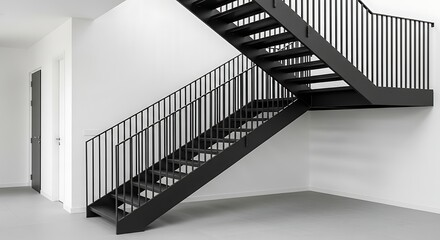
Custom Stairs and Railings are the final brushstrokes in your staircase’s design, contributing to a cohesive visual narrative. Mass-produced options are fine for safety, but if you want something that makes your staircase truly unique, consider custom fabrication.

From sleek glass to flowing metal railings, the right staircase railing blends functionality with style.

Material

A stair railing is more than just a safety feature, it’s also an opportunity to elevate the aesthetic of your staircase. From sleek glass panels to airy cable designs, these modern stair railing ideas help homeowners express their unique style and integrate safety with design.

The material a staircase’s railing is made of is an important design consideration. Stainless steel railings offer durability and clean lines that complement contemporary spaces. Glass railings open sightlines for a spacious feel and allow natural light to flow throughout the room. Wood offers warmth and timeless elegance. Many homeowners choose to mix and match materials for a customized look that balances safety with style.

Staircase railings can be designed with a variety of features, including handrail height and spacing, baluster design, and material selection. This allows homeowners to accommodate children and pets without compromising safety. Additionally, custom railings can be designed to reduce gaps that toddlers may try to fit their heads through, a potential hazard that can lead to severe injuries. Using quality materials and expert craftsmanship, custom stair railings can improve the ambiance of your home while ensuring that your stairs are safe and secure for everyone in the family.

A well-designed stair railing is a vital component of your home’s interior, connecting the different levels of the property and establishing visual continuity throughout the space. A stair railing is also an essential element of staircase safety, protecting people from falling down the stairs and offering support for climbing. With so many options for design and functionality, choosing the right railing can be a challenging task for some homeowners. Luckily, a qualified luxury stair renovation company can help homeowners find the ideal railing for their home’s needs and tastes.

Professional installation is a must for installing a staircase railing that is both safe and stylish. With proper measurements and careful construction, your new stair railings will provide a precise fit that enhances the integrity of your home’s design. This is particularly important for curved or floating staircases that require intricate measurements to ensure a perfect fit. Choosing professionals to install your staircase railings can also protect your investment by avoiding long-term issues like loose fittings or misalignment that could affect the aesthetic of your home’s interior.

Design

Stair railings are more than just safety features, they provide a finishing touch that can elevate your staircase to a sophisticated design focal point. They also play an important role in ensuring your home complies with building codes while creating a cohesive, stylish design language. Whether your home leans modern or rustic, there are endless options available to fit your personal style.

For a minimalistic approach, sleek materials like glass or metal offer simple lines that highlight the natural beauty of your stairs. For a more artistic flair, unique infills like rope banisters, geometric metal panels, or chicken wire add personality while still adhering to building codes. Other stair railing ideas include ombre-painted spindles, which can complement a range of architectural styles and create an eye-catching focal point.

Choosing the right material is just as important as selecting an overall design, as the stair railings will serve as the final brushstrokes in the staircase’s visual narrative. Wood offers warmth and sophistication, while brushed or powder-coated metals bring an industrial edge that complements both traditional and modern aesthetics. In contrast, glass railings look contemporary and chic, allowing light to pass seamlessly through the staircase and open up your home’s interior.

In addition to integrating with your design language, choosing the right stair railings can make your space safer for families with children and pets. Custom railings can reduce gaps between treads and ensure a firm hand-hold for those using the stairs, which is particularly important for older homeowners or those with physical limitations.

The best part about stair railings is that they can be customized to your specific needs, from the exact size and shape to the decorative elements and built-in lighting. For example, a staircase can be updated with a continuous handrail and Endurance rod infill that flows from one step to the next without visible breaks, making it a seamless, smooth, and fluid design feature that enhances your home’s flow and architecture. Alternatively, you can opt for a framed or frameless glass railing, allowing you to choose the level of visibility and privacy that you prefer.

Safety

Whether they’re updating an old staircase or designing one from scratch, modern homeowners often focus on both style and function. The right railings create a statement, but also add structure and support. Stair railings must be able to withstand the wear and tear of everyday use, including children running up and down. That’s why it’s important to use strong materials that are easy to maintain and clean.

Stainless steel and aluminum railings are a popular option for homeowners who want to combine durability with a sleek appearance. They also work well in open-concept homes with large expanses of glass. For a more minimalist look, glass panels are another popular choice for stairs. They create a bright, spacious feel and allow natural light to flow throughout the home. They can be paired with wooden or metal handrails for an elegant blend of textures and colors.

For safety, handrails must be 34 to 38 inches above stair tread nosing, and they should be comfortable for most adults to grasp. They should also have rounded edges and be free of any rough surfaces that could splinter or trap fingers. It’s also important to consider the safety of children and pets when choosing a railing design.

Safety also means keeping your staircase in line with building codes, which are designed to protect against dangerous falls. If you’re not sure which code requirements apply to your staircase, consult with a qualified designer for guidance.

Stair railings can become a canvas for creativity, especially when homeowners mix and match different materials and infills. For example, geometric metal panels can add a pop of color and contrast to a minimalist design. Or, rope or chicken wire can give stairs a rustic or coastal feel. Wood and metal are a classic pair that always looks stylish, while mixed-material options like wood and glass or wood and wrought iron can bring a fresh twist to a contemporary space.

Maintenance

When homeowners upgrade their stairways with custom railings, they want to be sure that they are safe and secure. This means that the balusters (also known as spindles) should be spaced correctly to prevent people from tripping or falling on stairs. They should also have sturdy handrails that are easy to grip, especially for individuals with limited mobility or disabilities. In addition, a professional should install a system that complies with local building codes and safety regulations.

Stair railings are more than a simple safety feature, they can dramatically influence the look and feel of a staircase. They can elevate a room’s style, set the tone for the rest of the interior design and even add value to a property. As a result, many homeowners choose to invest in unique railing designs that match their personality and lifestyle.

There are a wide variety of custom stair railings available on the market, from traditional to modern. Many options feature intricate details, while others are sleek and minimalist. The right railing design can enhance the aesthetic of a home, while meeting the safety needs of families with children and pets.

Some of the most popular railing trends include glass panels that open sightlines and allow natural light to flow throughout a space. These modern railings can be paired with metal or wood handrails for a more customizable look. Others prefer cable-style railings that provide a minimal appearance while remaining strong and durable. Wrought iron or steel railings are another timeless option that offer a sleek, contemporary look.

For a more creative take on stair railings, some homeowners opt for designs that use plexiglass or other transparent materials. These styles can transform the energy of a space and draw positive attention from visitors. Other imaginative options include geometric metal cutouts or patterns inspired by geometry. Some homeowners even choose to incorporate built-in storage into their stair railings for an added level of functionality.

The best way to ensure that your new stair railings are in good condition is to maintain them with regular cleaning and inspections. This can be as simple as sanding and painting wooden railings to protect them from wear, or applying a protective coating to metal ones. With regular maintenance, your stair railings will last for decades and stay in excellent condition.

Navigation