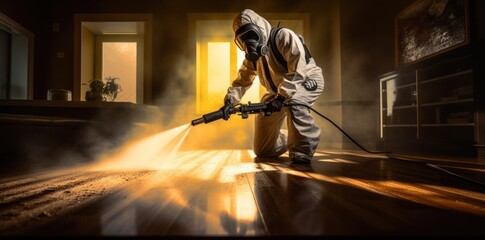
Seeing unwanted pests inside your home can be frustrating, especially when they seem to appear no matter how often you clean. Whether you are dealing with ants, cockroaches, rodents, termites, or other household pests, professional treatment can help restore a more comfortable living environment. However, the effectiveness of a pest control treatment can depend partly on how well the home is prepared beforehand.
Taking the right steps before a professional arrives can make it easier to access problem areas, improve treatment coverage, and help prevent pests from returning. Knowing how to prepare your home for Pest Control Stuart treatment can make the entire process smoother and more effective.
Understand What the Pest Control Treatment Involves
Before preparing your home, it is important to understand what type of pest control treatment will be performed. Different pests require different treatment methods, and preparation requirements can vary depending on the situation. A treatment for ants may involve treating entry points and activity areas, while a rodent problem may require inspections of hidden spaces and potential access points. Other infestations may require more extensive preparation or follow-up visits.
Homeowners should communicate with the pest control professional before the appointment and ask about any specific preparation requirements. Understanding what areas need to be accessible and whether certain items should be moved can prevent unnecessary delays. It is also important to follow any safety instructions provided before treatment begins. If the professional gives instructions that differ from general preparation advice, those instructions should take priority because they are based on the specific treatment being performed.
Knowing what to expect can also help reduce stress. Homeowners may need to temporarily leave certain areas, remove items from cabinets, or keep pets and children away during treatment. Preparing in advance allows these arrangements to be made without rushing. A clear understanding of the process can make the treatment day more organized and comfortable.
Clean and Declutter the Home
Cleaning the home before pest control treatment can help make pest activity easier to identify and treatment areas easier to access. Floors, countertops, tables, and other surfaces should be cleared of unnecessary items. Clutter can provide hiding places for pests and may prevent professionals from reaching areas where pests are active.
Storage areas deserve special attention because pests often hide in dark and undisturbed spaces. Boxes, bags, clothing, and other stored belongings should be organized whenever possible. Removing unnecessary clutter can improve visibility and make it easier to identify signs of pest activity. It can also reduce the number of places where pests can hide after treatment.
Cleaning does not mean that homeowners need to perform an extensive deep cleaning immediately before professional treatment. The goal is to create an accessible and reasonably clean environment. Food crumbs, spills, and garbage should be removed because they can continue attracting pests. A clean environment can also make it easier to monitor pest activity after treatment and determine whether the problem is improving.
Store Food and Kitchen Items Properly
Food and kitchen areas require careful preparation before pest control treatment. Exposed food should be placed in sealed containers or stored in an appropriate location away from treatment areas. Fruits, snacks, pet food, and other food items should not be left uncovered on countertops or tables.
Kitchen surfaces should also be cleared as much as possible. Items that normally sit on countertops can be stored temporarily to provide better access for treatment. Dishes should be washed and put away, while garbage should be removed from the kitchen. Cleaning spills and crumbs can also eliminate food sources that may encourage pest activity.
Pantries and cabinets may require additional preparation depending on the treatment. If pests have been found inside these spaces, the professional may need access to shelves and storage areas. Homeowners should ask whether pantry items need to be removed before the appointment. Following the recommended instructions can help ensure that treatment reaches the areas where pests are most likely to hide.
Protect Children, Pets, and Personal Items
Safety should always be a priority when preparing for pest control treatment. Children and pets may need to leave the home or stay away from treated areas for a period determined by the pest control professional. Their belongings, such as toys, food bowls, bedding, and other frequently used items, should also be protected or moved when necessary.
Personal items should be stored away from areas that will be treated. Clothing, toiletries, bedding, and other belongings should be placed where they will not interfere with the treatment. If certain rooms require special preparation, removing unnecessary items can provide professionals with better access.
Homeowners should not assume that every treatment requires the same safety precautions. The instructions can depend on the products, application methods, and pest problem involved. Always follow the specific guidance provided by the professional regarding when people and animals can safely return to treated areas. When in doubt, ask for clarification before treatment begins.
Move Furniture When Necessary
Furniture can create hidden spaces where pests may remain undetected. Couches, beds, cabinets, appliances, and other large objects can block access to walls, corners, floors, and other potential pest activity areas. Moving certain furniture before treatment may therefore improve access.
However, homeowners should not attempt to move heavy furniture if doing so could cause injury or damage. Instead, ask the pest control professional which areas need to be accessible. In some situations, only a small amount of movement may be necessary.
Furniture should also be positioned according to any instructions provided by the professional. Leaving appropriate space around walls and other areas can make inspection and treatment easier. The goal is not to completely empty the home but to provide access to areas where pests are likely to hide or enter.
Pay Attention to Problem Areas
Before the treatment begins, homeowners should identify areas where pest activity has been noticed. This could include kitchens, bathrooms, storage rooms, garages, bedrooms, basements, attics, or exterior entry points. Providing this information can help the professional focus on areas that may require closer inspection.
Homeowners should also make note of signs such as droppings, damaged materials, insect nests, unusual odors, gnaw marks, or repeated pest sightings. These observations can provide useful information about where pests may be hiding. Even if the signs seem minor, sharing them with the professional can help with the overall assessment.
If possible, avoid disturbing active pest areas immediately before the appointment unless preparation instructions require it. Evidence of pest activity can help professionals understand the extent and location of the problem. Clear communication about what has been observed can support a more targeted treatment approach.
Remove or Secure Household Waste
Garbage can provide food and shelter for many household pests. Before treatment, garbage should be removed from indoor areas and placed in properly secured outdoor containers when appropriate. Food waste should not be allowed to accumulate in kitchens or other areas.
Trash containers should also be cleaned when necessary, especially if they contain food residue. Recycling materials should be rinsed and stored appropriately to avoid attracting insects. Pet waste should be managed regularly as well because it can contribute to pest activity around the property.
Reducing accessible waste can make the home less attractive to pests after treatment. Professional pest control works best when combined with proper sanitation. Eliminating food and waste sources can therefore support the long-term effectiveness of the treatment.
Address Moisture and Water Sources
Many pests are attracted to moisture, so checking for leaks and standing water before treatment can be beneficial. Leaking faucets, pipes, clogged drains, and damp areas can provide conditions that encourage pest activity. If possible, obvious leaks should be repaired before the treatment.
Bathrooms, kitchens, laundry areas, and other moisture-prone spaces should be inspected. Water should not be left standing in containers, sinks, or other areas unnecessarily. Outdoor drainage should also be checked to ensure that water is not accumulating near the property.
Moisture control is particularly important because professional treatment may not fully resolve an infestation if favorable conditions remain. Eliminating water sources can make the environment less suitable for pests and support the long-term results of professional pest management.
Prepare Outdoor Areas
Pest control preparation should not focus only on the inside of the home. Outdoor areas can serve as entry points, nesting locations, and sources of food or moisture. Before treatment, unnecessary debris should be removed from around the property when practical.
Firewood, stored materials, containers, and other items should be kept organized and away from areas where pests can easily use them for shelter. Vegetation should also be maintained so that it does not create convenient pathways into the structure. Standing water should be eliminated where possible.
If exterior treatment is planned, the professional may need access around the entire perimeter of the property. Gates should be unlocked when necessary, and outdoor areas should be accessible. Providing clear access can help ensure that important entry points and pest activity areas are not missed.
Know What to Do After Treatment
Preparation does not end when the treatment is completed. Homeowners should follow all post-treatment instructions provided by the pest control professional. These instructions may include information about ventilation, cleaning, reentry times, or areas that should remain undisturbed for a specific period.
It is also important to understand that seeing a few pests after treatment does not always mean the treatment failed. Depending on the pest and treatment method, some activity may continue temporarily. Homeowners should monitor the situation and report persistent or increasing activity to the professional.
Cleaning should also be performed according to professional recommendations. Cleaning treated areas too soon could potentially reduce the effectiveness of certain treatments. Following the recommended timeline can help allow the treatment to work as intended.
Continue Preventive Pest Control Practices
Professional treatment is only one part of long-term pest management. Once the initial problem has been addressed, homeowners should continue practicing habits that make the property less attractive to pests. Food should be stored properly, garbage should be removed regularly, and moisture problems should be addressed promptly.
Cracks and gaps around doors, windows, pipes, vents, and other potential entry points should also be inspected. Sealing these openings can reduce opportunities for pests to enter the home. Regular cleaning and decluttering can further reduce hiding places.
Homeowners should also pay attention to new signs of pest activity. Early detection can make future problems easier to manage. Combining professional treatment with consistent preventive habits can provide stronger and longer-lasting protection.
Conclusion: Prepare Properly for Better Pest Control Results
Preparing your home for a pest control treatment does not have to be complicated. Cleaning and decluttering, storing food securely, protecting children and pets, providing access to problem areas, managing waste, and addressing moisture sources can all help create better conditions for treatment. Outdoor areas should also be considered because pests can use exterior spaces as hiding places and pathways into the home.
Most importantly, homeowners should communicate with their pest control professional and follow the specific preparation and safety instructions provided. Every pest problem is different, so preparation requirements may vary depending on the treatment. Taking the time to prepare properly can make the process more efficient while supporting better long-term pest management.
A successful pest control strategy does not end with one treatment. Continued cleanliness, proper storage, moisture control, property maintenance, and regular monitoring can help prevent pests from returning. With proper preparation and ongoing prevention, homeowners can take meaningful steps toward maintaining a cleaner, more comfortable, and better-protected home.

